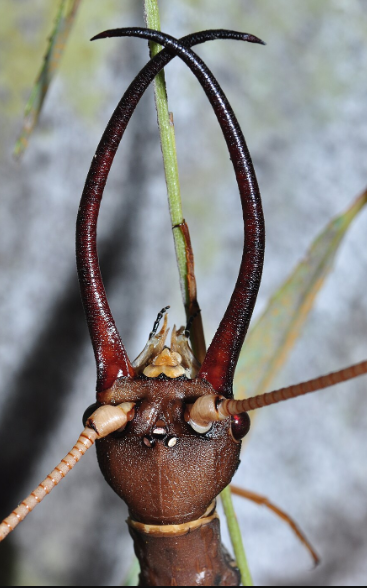
Dobsonflies (family Corydalidae) are large, striking insects best known for their impressive size and the dramatic, sickle-shaped mandibles of adult males. While adults are generally harmless, their aquatic larvae—called hellgrammites—are aggressive predators found in clean freshwater streams. These larvae are highly valued by anglers and ecologists alike as indicators of excellent water quality.
Dobsonflies are not pests; instead, they play an important ecological role in aquatic ecosystems and are considered beneficial insects. Their presence is often a sign of a healthy, well-balanced environment.
Taxonomy and Classification
- Common Name: Dobsonflies
- Family: Corydalidae
- Order: Megaloptera
- Type: Aquatic predatory insect (larval stage)
Dobsonflies undergo complete metamorphosis (egg, larva, pupa, adult). The larval stage can last several years, while the adult stage is short-lived and focused on reproduction.
Physical Description
Adult dobsonflies are among the largest insects in North America.
- Size: Up to 4–5 inches in length with large wingspan
- Wings: Two pairs of membranous, highly veined wings
- Males: Possess extremely long, curved mandibles (used for mating, not defense)
- Females: Shorter, stronger mandibles capable of a defensive pinch
The hellgrammite larvae are equally distinctive:
- Body: Dark, segmented, and elongated
- Legs: Strong thoracic legs for crawling
- Mandibles: Large and powerful for predation
- Gills: Lateral filaments along the abdomen
Larvae are active predators and are often found beneath rocks in streams.
Distribution and Habitat
Dobsonflies are found across parts of the Americas and Asia, with species such as Corydalus cornutus common in North America.
Their habitat is strongly tied to freshwater systems:
- Fast-flowing streams and rivers
- Rocky-bottom aquatic environments
- Clean, oxygen-rich water
Adults remain near water sources and are often attracted to lights during summer months.
Behavior and Life Cycle
The life cycle of dobsonflies is dominated by the long larval stage.
- Egg Stage: Eggs are laid in clusters on surfaces above water
- Larval Stage: Hellgrammites live in water for 1–5 years
- Pupal Stage: Pupation occurs in soil near the water
- Adult Stage: Adults live briefly (days to a week)
Larvae are nocturnal predators, hiding under rocks during the day and hunting at night. Adults do not feed and exist solely to reproduce.
Feeding and Ecological Role
Dobsonflies play an important role in aquatic ecosystems.
- Larvae: Feed on aquatic insects and small invertebrates
- Predation: Help regulate populations of other aquatic organisms
- Food Source: Serve as prey for fish and birds
- Bioindicator: Presence indicates high water quality
Their sensitivity to pollution makes them valuable indicators of healthy freshwater environments.
Management and Prevention
Dobsonflies do not require control and should be preserved due to their ecological benefits.
| Strategy | Purpose | Benefit |
|---|---|---|
| Habitat Protection | Maintain clean waterways | Supports healthy populations |
| Light Management | Reduce attraction to structures | Minimizes human interaction |
| Relocation | Move adults away from buildings if needed | Prevents accidental contact |
Any management approach should focus on conservation rather than control.
Prevention
- Maintain natural stream habitats
- Avoid polluting waterways
- Limit artificial lighting near water sources
- Allow natural ecosystems to function without disruption
Healthy environments naturally support balanced dobsonfly populations.
Related Articles
Conclusion
Dobsonflies are fascinating, beneficial insects whose presence signals clean, healthy freshwater ecosystems. While their appearance may be intimidating, they pose little threat to humans.
Protecting their aquatic habitats ensures the continued health of stream ecosystems and supports biodiversity, making dobsonflies valuable allies in environmental monitoring and conservation.