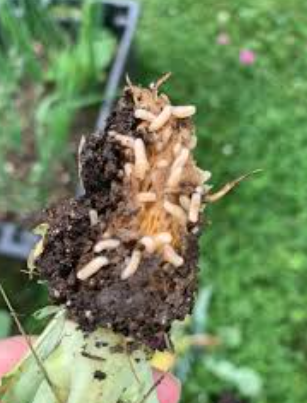
Dandelion root maggots are the larval stage of small flies that develop in the roots of dandelions and other weedy host plants. Because they feed below ground, they are often overlooked until affected plants begin to weaken, wilt, or decline. In home landscapes, they are more likely to be associated with unmanaged weeds than with serious structural or indoor pest problems.
Quick Facts
- Family: Varies by species of root maggot fly
- Habitat: Weedy lawns, gardens, cultivated beds, and disturbed soil
- Diet: Roots of host plants
- Status: Minor root-feeding plant pest
Identification
The larvae are pale, legless maggots with tapered bodies. Adults are small flies that may resemble delicate houseflies or gnat-like flies depending on the species. Damage is more often noticed in the roots than in the insects themselves.
They are related to other flies whose immature stages develop in soil, roots, or decaying plant material.
Distribution
Dandelion root maggots are found where host weeds are common, especially in moist soils and unmanaged planting areas with plenty of dandelions or similar broadleaf weeds.
Life Cycle
The life cycle includes egg, larva, pupa, and adult stages. Eggs are laid in or near the soil around host plants. Maggots hatch and feed on roots before pupating in the soil and emerging as adults.
Pest Status
These insects are usually a secondary landscape issue tied to weed pressure. Root feeding may weaken host plants, but in many cases they are more of a sign of unmanaged vegetation than a severe pest outbreak.
Prevention
- Remove dandelions and similar weeds before they spread
- Maintain healthy turf and dense ground cover
- Avoid letting broadleaf weeds dominate landscape beds
Control
Control is generally based on weed management, soil maintenance, and reducing host plants. In most home settings, direct treatment of the maggots is less important than eliminating the conditions that support them.