Christmas beetles are large scarab beetles belonging primarily to the genus Anoplognathus, within the family Scarabaeidae. They are best known for their seasonal emergence during late spring and early summer in the Southern Hemisphere, particularly around December, which coincides with the Christmas holiday season in Australia. Christmas beetles are part of the broader group of beetles and are considered native insects with both ecological importance and minor pest significance.
Taxonomy and Classification
Christmas beetles belong to the order Insecta and the family Scarabaeidae, a diverse family that includes dung beetles, chafer beetles, and rhinoceros beetles. Most species commonly referred to as Christmas beetles fall within the genus Anoplognathus, which contains more than 30 described species.
- Kingdom: Animalia
- Phylum: Arthropoda
- Class: Insecta
- Order: Coleoptera
- Family: Scarabaeidae
- Subfamily: Rutelinae
- Genus: Anoplognathus
Physical Description
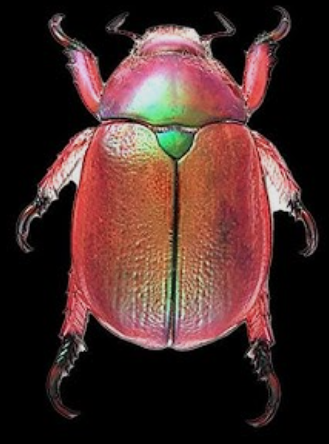
Adult Christmas beetles are robust, oval-shaped insects typically measuring between 20 and 30 millimeters in length. They are well known for their glossy, often iridescent exoskeletons, which may appear metallic green, bronze, gold, or brown. Like other flying insects, they possess hardened forewings (elytra) that protect their functional flight wings.
The head features strong chewing mouthparts adapted for foliage consumption. Their legs are equipped with spines for gripping bark and leaves, and their antennae are lamellate, a characteristic shared with many lawn and turf pests in the scarab family.
Distribution and Habitat
Christmas beetles are native to Australia and are widely distributed across the continent, especially in eastern and southern regions. They inhabit forests, woodlands, suburban landscapes, parks, and gardens, making them occasional outdoor pests in residential areas.
Adults are most commonly associated with eucalyptus trees, while larvae develop underground in soil found in lawns, grassy fields, and pasturelands—habitats shared with other soil-dwelling pests.
Life Cycle and Development
Christmas beetles undergo complete metamorphosis, progressing through egg, larval, pupal, and adult stages. Eggs are laid in soil during summer and hatch into larvae commonly referred to as white grubs.
The larval stage may last one to three years depending on species and environmental conditions. Grubs feed on plant roots and organic matter before pupating underground. Adults emerge seasonally, often in noticeable numbers, similar to other seasonal pests.
Diet and Feeding Behavior
Adult Christmas beetles primarily feed on eucalyptus foliage, though some species may also consume leaves from ornamental trees and shrubs. Feeding damage typically appears as irregular leaf loss and may resemble damage caused by other tree pests.
Larvae feed underground on grass roots and decaying vegetation. In moderate numbers, this activity contributes to soil health, but heavy infestations may result in lawn thinning or dead patches similar to damage caused by other lawn grubs.
Ecological Role
Christmas beetles play an important ecological role as a food source for birds, reptiles, mammals, and predatory insects. Their larvae aid in soil aeration and nutrient cycling, supporting healthy ecosystems alongside other beneficial insects.
Declines in some Christmas beetle populations have raised concerns among ecologists, as these insects serve as indicators of habitat quality and environmental change.
Economic and Pest Significance
Although generally considered minor pests, Christmas beetles may cause localized defoliation during population surges. Larval feeding can also impact lawns and pasture grasses, placing them among occasional garden pests and turf pests.
Damage is usually temporary, and healthy plants often recover without intervention.
Management and Control
Management strategies typically emphasize non-chemical control methods. Encouraging natural predators, improving soil health, and avoiding unnecessary pesticide use can help maintain balanced populations. These approaches align with integrated pest management practices used for other native pests.
In residential lawns where grub damage occurs, cultural controls such as proper watering, mowing height adjustments, and aeration are often sufficient. Chemical control is rarely recommended.
Conservation Status
Several species of Christmas beetles have experienced population declines due to habitat loss, urban development, pesticide exposure, and changing land use. Conservation efforts focus on preserving native vegetation and reducing environmental pressures that affect both pests and wildlife.