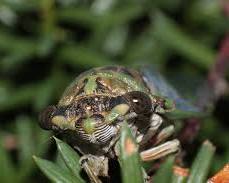
The Dog-day Cicada is a large, buzzing insect commonly heard during the hottest days of summer. These cicadas belong to the genus Neotibicen and are famous for their loud mating calls that fill forests, parks, and suburban neighborhoods. Their distinctive humming and buzzing sounds are one of the defining background noises of late summer across much of North America.
Dog-day cicadas are part of a group commonly known as annual cicadas because some adults emerge every summer, unlike the famous periodical cicadas that appear only every 13 or 17 years. Despite being called “annual,” individual dog-day cicadas may still spend several years underground before emerging as adults.
Quick Facts
- Family: Cicadidae
- Genus: Neotibicen
- Habitat: Trees, shrubs, forests, suburban landscapes
- Diet: Tree sap and root fluids
- Length: Approximately 1.5 inches
- Status: Harmless summer insect
- Active Season: Mid to late summer
Taxonomy and Classification
Dog-day cicadas belong to the order Hemiptera, which includes true bugs, aphids, leafhoppers, and scale insects. Within this order, they are part of the family Cicadidae, a large group known for their loud mating songs and long underground development cycles.
The genus Neotibicen contains many species commonly referred to as dog-day cicadas, harvestflies, or annual cicadas. These insects are among the most recognizable summer insects in eastern and central North America. Scientists formerly placed many of these cicadas in the genus Tibicen, but taxonomic revisions later reorganized them into the genus Neotibicen.
Identification
Dog-day cicadas are large insects typically measuring around 1.5 inches long. They have thick bodies, transparent wings, and prominent eyes that may appear black, brown, or reddish depending on the species and lighting conditions.
Most species display green, black, and brown coloration that helps camouflage them against tree bark and foliage. Their wings are often clear with green or dark veins, and the wings extend beyond the abdomen when folded.
These cicadas are more commonly heard than seen because adults spend much of their time high in trees. Male dog-day cicadas produce loud buzzing songs using specialized structures called tymbals located on the abdomen. These sounds can resemble power tools, electrical buzzing, or long whining calls.
They belong to the broader group of cicadas, known for their loud buzzing sounds and dramatic summer appearances.
Distribution and Habitat
Dog-day cicadas are widespread throughout North America and are commonly heard during mid to late summer. They are especially abundant throughout the eastern and central United States, southern Canada, and parts of the Midwest and Great Plains.
These insects thrive in areas with mature trees and woody vegetation. Common habitats include:
- Forests and woodlands
- Urban parks
- Suburban neighborhoods
- Orchards and tree farms
- Rural shelterbelts
- River corridors
Dog-day cicadas are particularly active during hot, humid weather, which explains their connection to the “dog days” of summer. Their calls are often strongest during the afternoon and early evening hours.
Life Cycle
The life cycle of dog-day cicadas includes egg, nymph, and adult stages. Although adults are highly visible during summer, the majority of the insect’s life occurs underground.
After mating, female cicadas use their sharp ovipositors to cut slits into small tree branches and twigs where they deposit eggs. These cuts sometimes cause minor twig dieback called “flagging,” especially on young trees.
Eggs hatch after several weeks, and the tiny nymphs fall to the ground and burrow into the soil. Underground, they feed on fluids from plant roots using specialized piercing mouthparts.
Nymphs may remain underground for two to five years or longer depending on species and environmental conditions. During this time, they molt multiple times while slowly developing.
When fully mature, the nymph emerges from the soil during warm summer evenings and climbs onto trees, fences, or walls. The outer skin splits open, revealing the winged adult cicada. The empty brown exoskeleton often remains attached to bark and other surfaces.
Behavior and Sounds
Male dog-day cicadas are famous for their loud mating songs. Each species produces unique sound patterns that help females identify suitable mates.
The buzzing songs can continue for several seconds before fading away. In areas with many cicadas, the combined noise can create a continuous summer hum that fills neighborhoods and forests.
Unlike periodical cicadas, dog-day cicadas do not emerge in synchronized massive broods. Instead, overlapping generations cause some adults to appear every year.
Adult cicadas are relatively clumsy fliers but are excellent climbers. They spend most of their short adult lives feeding, mating, and avoiding predators such as birds, spiders, and cicada killer wasps. :contentReference[oaicite:5]{index=5}
Pest Status
Although dog-day cicadas feed on plant fluids, they rarely cause serious plant damage. Established trees generally tolerate their feeding activity without problems.
Minor twig injury may occur when females lay eggs, especially on small ornamental or newly planted trees. However, this damage is usually cosmetic and temporary.
Dog-day cicadas are considered beneficial components of natural ecosystems. Their emergence provides food for wildlife, helps aerate soil during nymph emergence, and contributes nutrients back into the environment after adults die.
Unlike mosquitoes, fleas, or ticks, cicadas do not bite humans, sting, or spread diseases.
Prevention and Management
Control is rarely necessary since dog-day cicadas are harmless and temporary seasonal insects. However, homeowners may wish to protect small ornamental trees during heavy emergence years.
- Protect young trees with fine netting during peak cicada activity
- Maintain healthy trees through proper watering and fertilization
- Avoid unnecessary pesticide use
- Prune damaged twig tips if egg-laying injury becomes noticeable
- Encourage natural predators such as birds
Because these insects are part of healthy ecosystems, most experts recommend tolerating their presence and appreciating their role in summer biodiversity.
Interesting Facts About Dog-day Cicadas
- The term “dog-day” refers to the hottest part of summer.
- Male cicadas can produce sounds exceeding 90 decibels.
- Cicadas have existed for millions of years.
- Empty cicada shells are commonly found attached to trees during summer.
- Some species are called “harvestflies” because they appear near harvest season.