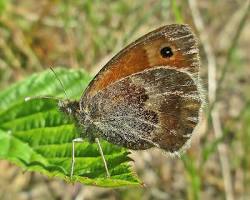
The Brush-footed Butterfly belongs to the family Nymphalidae, one of the largest and most diverse butterfly families in the world. This enormous group contains thousands of species, including some of the most recognizable butterflies in North America such as monarchs, admirals, crescents, fritillaries, and painted ladies. Brush-footed butterflies are named for their unusual front legs, which are reduced in size and covered with hair-like structures that resemble tiny brushes.
These butterflies are important pollinators and valuable members of healthy ecosystems. Many species are admired for their vivid wing colors, migration patterns, and complex relationships with host plants. While caterpillars of some species may occasionally feed on ornamental plants or crops, brush-footed butterflies are overwhelmingly considered beneficial insects.
Quick Facts
- Family: Nymphalidae
- Common Habitat: Meadows, forests, wetlands, gardens, roadsides
- Diet: Nectar as adults, plant foliage as caterpillars
- Status: Beneficial pollinator
- Distinctive Trait: Reduced front legs that resemble brushes
Identification
Brush-footed butterflies vary widely in color, shape, and size depending on the species, but all members of the family share one important characteristic: the front pair of legs is greatly reduced.
Unlike most insects that walk on six legs, brush-footed butterflies appear to walk on only four functional legs. The reduced front legs are often tucked against the body and covered with fine sensory hairs.
Common identifying features include:
- Brightly colored wings
- Four visible walking legs
- Clubbed antennae
- Thin scaled wings
- Rapid fluttering flight patterns
Wing patterns vary tremendously among species.
Some examples include:
- Orange and black monarch butterflies
- Blue and black red-spotted purples
- Silver-spotted fritillaries
- Orange crescents
- Brown woodland butterflies
Many species also possess camouflage patterns that help them blend into leaves, bark, or forest debris when resting.
Distribution and Habitat
Brush-footed butterflies occur worldwide and occupy nearly every terrestrial habitat capable of supporting flowering plants.
In North America, they are commonly found in:
- Wildflower meadows
- Forests and woodland edges
- Wetlands
- Suburban gardens
- Roadsides
- Prairies
- Parks
- Mountain habitats
Different species specialize in different environments.
Some thrive in open sunny fields, while others prefer shaded woodland habitats or marshes.
Butterfly diversity is often highest in areas with abundant flowering plants and native vegetation.
Life Cycle
Like all butterflies, brush-footed butterflies undergo complete metamorphosis.
The life cycle includes four stages:
- Egg
- Caterpillar (larva)
- Chrysalis (pupa)
- Adult butterfly
Females carefully select host plants on which to lay eggs.
After hatching, caterpillars feed on specific plants that provide proper nutrition for growth.
Many caterpillars are highly specialized and can only survive on certain host plants.
Examples include:
- Milkweed for monarch caterpillars
- Violets for fritillary caterpillars
- Nettles for some admiral butterflies
- Willows and poplars for mourning cloaks
As caterpillars grow, they molt several times before forming a chrysalis.
Inside the chrysalis, the insect transforms into an adult butterfly.
Adults emerge with soft folded wings that expand and harden before flight.
Behavior
Brush-footed butterflies are active primarily during daylight hours.
Adults spend much of their time:
- Searching for nectar
- Finding mates
- Basking in sunlight
- Avoiding predators
- Locating host plants
Many species use bright coloration as warning signals or camouflage.
Some butterflies mimic toxic species to discourage predators.
Others rely on eye spots or sudden flashes of color to startle birds and lizards.
Certain brush-footed butterflies are also migratory.
The most famous example is the monarch butterfly, which travels thousands of miles during seasonal migrations.
Role in Pollination
Brush-footed butterflies are important pollinators in many ecosystems.
As they feed on nectar, pollen grains attach to their bodies and are transferred between flowers.
Butterflies help pollinate:
- Wildflowers
- Garden plants
- Native shrubs
- Agricultural crops
Although butterflies are generally less efficient pollinators than bees, they still contribute significantly to plant reproduction and biodiversity.
Pest Status
Brush-footed butterflies are overwhelmingly considered beneficial insects.
Adult butterflies provide pollination services and contribute to ecosystem health.
Most caterpillars cause only minor feeding damage that healthy plants can easily tolerate.
In rare situations, large caterpillar populations may temporarily defoliate plants, but serious economic damage is uncommon compared to many agricultural pests.
Because of their ecological importance and declining populations in some regions, many brush-footed butterfly species are actively protected through conservation programs.
Threats and Conservation
Many butterfly populations face increasing environmental pressures.
Major threats include:
- Habitat destruction
- Pesticide exposure
- Climate change
- Loss of native host plants
- Urban development
Conservation efforts often focus on restoring native vegetation and pollinator habitats.
Gardeners can help support butterfly populations by:
- Planting native flowers
- Reducing pesticide use
- Providing host plants for caterpillars
- Maintaining pollinator-friendly gardens
Interesting Facts
- The family Nymphalidae contains over 6,000 species worldwide.
- Brush-footed butterflies appear to walk on four legs instead of six.
- Many species possess ultraviolet wing patterns invisible to humans.
- Butterflies taste with sensors located on their feet.
- Some species migrate thousands of miles annually.
- Certain brush-footed butterflies hibernate during winter.
- Wing scales create many of the vibrant colors seen on butterfly wings.
Prevention
No prevention measures are necessary because brush-footed butterflies are beneficial insects.
In fact, many gardeners intentionally encourage butterfly populations by planting nectar-rich flowers and native host plants.
Control
Control is not recommended for brush-footed butterflies.
These insects play valuable ecological roles as pollinators and important parts of natural food webs.