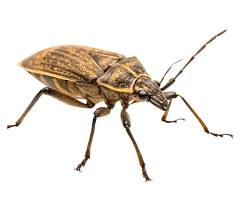
The Brown-winged Striped Shield Bug is a species of stink bug belonging to the family Pentatomidae. These shield-shaped insects are commonly found on plants where they feed on sap and fruit juices using piercing-sucking mouthparts. Like other stink bugs, they release a pungent defensive odor when disturbed or crushed.
Although this species is generally considered a minor plant pest, large populations may occasionally cause cosmetic damage to fruits, vegetables, and ornamental plants. In natural environments, these insects are also part of the broader ecological food web and serve as prey for birds, spiders, and predatory insects.
Quick Facts
- Family: Pentatomidae
- Common Habitat: Gardens, shrubs, crop fields, woodland edges
- Diet: Plant sap and fruit juices
- Status: Minor plant pest
- Main Defense: Odor-producing scent glands
Identification
The brown-winged striped shield bug has the classic shield-shaped body associated with stink bugs. Adults usually measure approximately 1/2 inch long and have flattened bodies designed to protect them from predators.
Key identifying features include:
- Brown or grayish-brown coloration
- Subtle striping on the wings and body
- Triangular shield-like shape
- Six legs and long segmented antennae
- Piercing-sucking mouthparts beneath the body
The wings are folded flat over the back when the insect is at rest.
Nymphs resemble miniature wingless adults and gradually develop wing pads as they mature.
When disturbed, the insect releases a strong-smelling defensive chemical from specialized scent glands located on the thorax.
Distribution and Habitat
The brown-winged striped shield bug occurs throughout portions of North America where vegetation and suitable host plants are available.
It is commonly encountered in:
- Gardens
- Agricultural fields
- Fruit orchards
- Shrubbery
- Woodland edges
- Landscaped residential areas
These bugs are most active during warmer months when plant growth is abundant.
Preferred habitats typically include:
- Dense vegetation
- Flowering plants
- Fruit-bearing shrubs
- Crop plants
- Tall grasses
Adults may occasionally wander onto buildings or outdoor furniture while searching for food or shelter.
Life Cycle
The brown-winged striped shield bug undergoes incomplete metamorphosis consisting of three primary stages:
- Egg
- Nymph
- Adult
Females lay clusters of barrel-shaped eggs on the undersides of leaves where developing young are protected from predators and environmental conditions.
After hatching, nymphs begin feeding immediately on plant tissues.
Nymphs pass through several molts before reaching adulthood.
As they mature:
- Wing pads gradually enlarge
- Body coloration becomes darker
- Striping patterns become more visible
- Scent glands fully develop
Depending on climate and food availability, multiple generations may occur each year.
Behavior
Brown-winged striped shield bugs are primarily plant feeders that use their specialized mouthparts to pierce leaves, stems, fruits, and seed pods.
Feeding behavior may result in:
- Small discolored spots on fruit
- Minor leaf distortion
- Surface blemishes
- Reduced cosmetic quality of produce
Unlike chewing insects, stink bugs extract liquids directly from plant tissues.
Adults are capable of flight and may move between host plants throughout the growing season.
When threatened, these insects rely heavily on chemical defense rather than speed or aggression.
The unpleasant odor they release helps deter:
- Birds
- Spiders
- Lizards
- Predatory insects
Pest Status
This species is generally considered a minor agricultural and garden pest.
Most infestations remain relatively small and rarely cause serious crop losses.
Damage is usually limited to:
- Cosmetic fruit injury
- Minor plant stress
- Occasional feeding scars
Unlike the highly destructive Brown Marmorated Stink Bug, this species rarely reaches outbreak levels capable of causing major economic damage.
However, populations may occasionally increase in gardens or small agricultural settings.
Signs of Activity
Common signs of brown-winged striped shield bug activity include:
- Shield-shaped insects resting on foliage
- Clusters of eggs beneath leaves
- Minor spots or blemishes on fruit
- Nymphs feeding on stems and leaves
- Strong odor when insects are disturbed
These bugs are often easiest to spot during warm daylight hours while basking on leaves or stems.
Prevention
Healthy plant management is usually enough to minimize problems from shield bugs.
Recommended prevention strategies include:
- Maintain healthy garden plants
- Remove weeds and plant debris
- Encourage natural predators
- Inspect plants regularly
- Use row covers in sensitive gardens
- Avoid unnecessary pesticide applications that kill beneficial insects
Keeping gardens diverse and biologically balanced often helps reduce stink bug populations naturally.
Control
Control is rarely necessary for small populations.
When management is needed, common approaches include:
- Hand removal
- Vacuum collection in small gardens
- Biological control through predators
- Targeted insecticidal soaps
- Integrated pest management strategies
Natural predators such as birds, spiders, assassin bugs, and parasitic wasps frequently help suppress shield bug populations.
Broad-spectrum insecticides are usually unnecessary unless infestations become severe.
Interesting Facts
- The shield-shaped body helps protect stink bugs from predators.
- Their defensive odor comes from specialized thoracic glands.
- Nymphs resemble adults but lack fully developed wings.
- Many stink bug species feed on plants, while some are predators.
- The species is most active during warm growing seasons.
- Shield bugs are part of the larger true bug group known as Hemiptera.