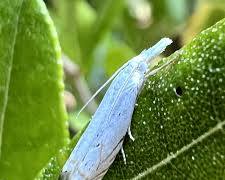
The Blue Grass Borer Moth is a small turf-associated moth whose larvae feed on grasses and related plants. These insects belong to a group of moths whose caterpillars bore into stems, crowns, or root systems of turfgrass and pasture vegetation. While adult moths are relatively harmless and rarely noticed, the larval stage can occasionally become problematic in lawns, golf courses, athletic fields, and agricultural grasslands where feeding damage may weaken turf.
Blue grass borer moths are commonly associated with:
- Residential lawns
- Golf courses
- Pastures
- Meadows
- Roadside grasses
- Agricultural turf systems
The larvae primarily feed within grass tissues where they remain protected from predators and environmental conditions. In healthy lawns, damage is often minimal, but stressed turfgrass may become more vulnerable to infestation.
Quick Facts
- Order: Lepidoptera
- Family: Crambidae or related turf moth groups
- Habitat: Lawns, grasslands, turfgrass environments
- Diet: Grass stems, roots, and turf tissues
- Status: Occasional lawn pest
Identification
Adult Blue Grass Borer Moths are relatively small insects with wingspans generally measuring:
- Less than 1 inch wide
Their coloration usually consists of:
- Gray
- Brown
- Tan
- Light mottled patterns
These muted colors help camouflage the moth among dried grasses and soil surfaces.
Key identifying characteristics include:
- Slender narrow body
- Folded wings when resting
- Fine scaled wing surfaces
- Subtle striping or speckled markings
- Nocturnal activity patterns
Adult moths are commonly attracted to:
- Outdoor lighting
- Porch lights
- Landscape lighting
The caterpillars are usually:
- Cream-colored
- Pale green
- Light brown
- Smooth-bodied
Larvae may be difficult to observe because they remain hidden inside grass stems or near the soil surface.
Distribution and Habitat
Blue grass borer moths occur throughout much of North America wherever turfgrass and grasses are abundant.
Common habitats include:
- Residential lawns
- Parks
- Sports fields
- Pasturelands
- Prairie grasslands
- Golf course turf
- Roadside vegetation
Warm climates and irrigated lawns may support larger populations because moist grass environments provide favorable conditions for larval survival.
Larvae are especially common in:
- Dense turfgrass
- Overwatered lawns
- Thatch-heavy grass systems
- Poorly maintained turf
Life Cycle
Like most moths, the Blue Grass Borer Moth undergoes complete metamorphosis consisting of four stages:
- Egg
- Larva (caterpillar)
- Pupa
- Adult
Adult females lay eggs directly on:
- Grass blades
- Thatch layers
- Soil surfaces
After hatching, caterpillars begin feeding on grass tissues. Depending on species, larvae may:
- Bore into stems
- Feed on crowns
- Consume roots
- Create silk-lined tunnels
Larvae often remain hidden during the daytime and feed more actively at night.
After completing development, caterpillars pupate within:
- Soil
- Grass thatch
- Protective silk chambers
Adult moths emerge and begin reproducing shortly afterward.
In warm climates, multiple generations may occur during a single growing season.
Behavior
Adult moths are primarily nocturnal and usually remain hidden during daylight hours.
They are weak fliers that tend to stay close to grassy habitats.
Caterpillars are the damaging stage and spend much of their lives concealed within:
- Grass stems
- Thatch layers
- Soil near turf roots
Larval feeding may cause:
- Thinning turf
- Brown patches
- Dead grass areas
- Weak root systems
- Irregular lawn discoloration
Damage often becomes more noticeable during:
- Hot weather
- Drought stress
- Heavy infestations
Pest Status
Blue Grass Borer Moths are considered occasional turfgrass pests.
Healthy lawns often tolerate minor feeding without serious long-term damage. However, severe infestations may weaken turf and create unattractive lawn conditions.
Areas most vulnerable include:
- Golf greens
- Sports turf
- Newly established lawns
- Drought-stressed grass
- Poorly maintained turf systems
In most residential settings, infestations remain manageable through proper lawn care practices.
Signs of Infestation
Common signs of Blue Grass Borer activity include:
- Brown irregular lawn patches
- Weak or thinning grass
- Silk-lined tunnels near soil
- Caterpillars hidden in turf
- Grass that pulls up easily
- Increased bird feeding activity on lawns
Adult moths may also be seen fluttering just above lawns during evening hours.
Prevention
Preventive lawn care is one of the best defenses against turf-boring caterpillars.
Helpful prevention methods include:
- Maintain proper lawn irrigation
- Avoid excessive thatch buildup
- Mow grass at recommended heights
- Encourage beneficial predators
- Improve soil drainage
- Monitor lawns during warm months
Healthy turfgrass is generally more resistant to insect damage.
Control
Control methods depend on infestation severity.
Integrated pest management strategies may include:
- Biological insecticides
- Nematode applications
- Targeted lawn treatments
- Thatch reduction
- Improved irrigation management
- Encouraging natural predators
Birds, predatory beetles, and parasitic wasps often help reduce caterpillar populations naturally.
When chemical control is necessary, treatments are usually most effective against young larvae.
Ecological Importance
Although larvae may occasionally damage turfgrass, Blue Grass Borer Moths also serve ecological functions.
They provide food for:
- Birds
- Bats
- Predatory insects
- Spiders
- Small mammals
Adult moths may also contribute modestly to nighttime pollination.