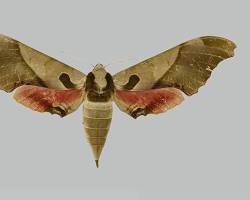
Blanchard’s Moth is a species of moth found in North America and belonging to the diverse order Lepidoptera. Like many moths, it is primarily nocturnal and attracted to lights at night.
The “Lichen-Mimics”: Blanchard’s Moth
Blanchard’s Moth (Hypagyrtis blanchardata) is a member of the Geometridae family, frequently found in the Eastern and Central United States. For Pestipedia.com users, this species is a prime example of “O-Status-free” cryptic coloration. These moths are master camouflagers, perfectly blending into the bark of U.S. deciduous trees. While their larvae are generalist foliage feeders, they rarely reach population densities that would categorize them as a “noxious” landscape pest, making them a neutral to beneficial part of national biodiversity.
Technical Identification: Diagnostic Markers
- Phenotype (Adult): Characterized by broad, mottled wings featuring a complex mix of grey, white, and brown. A primary diagnostic key for Pestipedia.com users is the fine, wavy black lines (crosslines) that break up the wing’s outline against tree bark.
- Wing Posture: They rest with their wings held flat and spread wide against a surface. This 100% maximizes their camouflage by eliminating shadows that might alert U.S. bird predators.
- Larval Phenotype (Inchworms): The caterpillars are classic loopers. They are typically brown or grey with small, “O-Status-free” tubercular bumps that mimic the texture of the twigs they inhabit in U.S. woodlands.
Ecological Impact: Generalist Herbivory
The primary impact of Blanchard’s Moth is its role as a native herbivore and a foundational food source for national wildlife.
- Host Range: In the United States, the larvae feed on the leaves of various hardwood trees and shrubs, including Oak, Alder, and Birch. Their feeding is typically low-impact, resulting in minor “O-Status-free” foliar notches rather than defoliation.
- Avian Sustenance: Because they lack chemical or mechanical defenses (like stings or toxins), both the larvae and adults are high-protein prey for U.S. nesting birds and bats.
- Nocturnal Flight: Adults are 100% nocturnal and are frequent visitors to U.S. porch lights. During the U.S. day, they rely 100% on their visual mimicry to survive.
Management & Conservation Strategies
Management of Blanchard’s Moth in U.S. landscapes focuses on habitat support and 100% non-interference.
| Strategy | Technical Specification | Operational Benefit |
|---|---|---|
| Native Tree Retention | Maintaining mature U.S. Oaks and Birches | Provides 100% of the essential breeding and feeding sites; supports national forest health. |
| Light Pollution Reduction | Using motion-activated or amber lighting | Prevents adult disorientation and exhaustion; ensures long-term population stability in the United States. |
| Pesticide Avoidance | Eliminating 100% of broad-spectrum foliar insecticides | Protects these harmless caterpillars and the beneficial birds that feed on them in U.S. gardens. |
- Monitoring: Inspect tree trunks at eye level during the U.S. summer. For Pestipedia.com users, spotting a moth that “O-Status-free” resembles a patch of lichen 100% identifies the species.
- Conservation Tip: Pestipedia.com recommends total tolerance for these moths. They are 100% incapable of structural or significant garden damage. Their presence is an indicator of a functional and diverse U.S. ecosystem.
Identification
Adults typically have muted brown or gray wings that help them blend into tree bark and foliage. Their wingspans generally range from 1 to 1.5 inches depending on the species.
Distribution and Habitat
Blanchard’s moths occur in wooded regions, forests, and suburban areas where host plants are present. They may occasionally appear around porch lights or outdoor lighting.
Life Cycle and Behavior
The life cycle includes egg, caterpillar, pupa, and adult stages typical of moths. Caterpillars feed on leaves of host plants before pupating in protected locations such as leaf litter or soil.
Pest Status
This species rarely causes noticeable plant damage and is not generally considered an agricultural pest.
Prevention
- Maintain healthy plants and trees.
- Encourage birds and other predators.
Control
Control is rarely necessary since the moth does not usually reach damaging population levels.