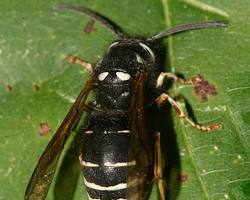
The Black Jacket Wasp is a type of social wasp commonly associated with the family Vespidae. These wasps are closely related to yellowjackets and hornets. They are known for their defensive behavior, organized colonies, and painful stings when nests are disturbed. Although they play an important ecological role as predators of other insects, black jacket wasps can become nuisance pests when colonies establish near homes, patios, playgrounds, or outdoor gathering spaces.
Like many social wasps, black jacket wasps help regulate insect populations by hunting caterpillars, flies, and other soft-bodied insects that may damage crops and gardens. Workers capture prey, chew it into digestible material, and feed it to developing larvae inside the nest. Adult wasps primarily consume sugary liquids such as nectar, fruit juices, and honeydew produced by aphids.
Problems usually arise when colonies grow large during late summer and early fall. During this period, worker wasps become more aggressive while searching for food and defending their nests. Outdoor activities such as mowing lawns, trimming shrubs, or disturbing soil near hidden nests may trigger defensive swarming behavior.
Quick Facts
- Family: Vespidae
- Size: Approximately 1/2 to 3/4 inch long
- Color: Black with subtle yellow or white markings
- Diet: Insects, nectar, sugary substances
- Habitat: Soil cavities, wall voids, trees, structures
- Status: Beneficial predator and nuisance stinging insect
Identification
Black jacket wasps have the streamlined body shape typical of social wasps.
Key identifying characteristics include:
- Glossy black body coloration
- Thin narrow waist
- Long folded wings
- Fast aggressive flight
- Smooth body with little hair
Adults typically measure:
- Between 1/2 and 3/4 inch long
Unlike bees, wasps have smoother bodies and brighter reflective coloration.
Black jacket wasps are often confused with:
Their nests may be hidden underground, inside wall voids, beneath decks, or in tree hollows.
Distribution and Habitat
Black jacket wasps occur widely throughout North America.
They are commonly found in:
- Residential landscapes
- Parks and playgrounds
- Forests and woodland edges
- Gardens and orchards
- Outdoor dining areas
- Agricultural environments
Preferred nesting locations include:
- Underground burrows
- Wall voids
- Attics
- Tree cavities
- Rock crevices
- Sheds and garages
Colonies thrive in areas with abundant food sources and protected nesting sites.
Life Cycle
Black jacket wasps undergo complete metamorphosis.
Their life stages include:
- Egg
- Larva
- Pupa
- Adult
The colony cycle begins in spring when an overwintered queen emerges from shelter.
The queen:
- Selects a nesting location
- Builds initial nest cells
- Lays eggs
- Raises the first generation of workers
Once workers emerge, they take over:
- Nest construction
- Food collection
- Larval care
- Nest defense
Colonies may contain:
- Hundreds of workers by late summer
New queens and males are produced near the end of the season before the colony dies off during cold weather.
Behavior
Black jacket wasps are highly social insects.
Workers cooperate to:
- Protect the colony
- Gather food
- Expand the nest
- Feed larvae
Unlike honeybees, wasps can sting repeatedly because their stingers do not become lodged in skin.
Workers are especially attracted to:
- Sugary drinks
- Fruit
- Garbage
- Outdoor food
- Protein sources such as meat
Defensive behavior becomes more intense in late summer when colonies reach peak size.
Pest Status
Black jacket wasps are considered nuisance pests when nests occur near human activity.
Common problems include:
- Painful stings
- Swarming behavior
- Outdoor dining disruptions
- Nest establishment near structures
- Risk to allergic individuals
Despite these concerns, they also provide ecological benefits by preying on pest insects.
Most stinging incidents occur when:
- Nests are disturbed accidentally
- People step near underground colonies
- Outdoor food attracts workers
Prevention
Preventing black jacket wasp problems usually focuses on reducing nesting opportunities and food attractants.
- Seal cracks and openings around buildings.
- Keep garbage containers tightly covered.
- Remove fallen fruit from yards.
- Avoid leaving sugary drinks outdoors.
- Inspect for developing nests during spring.
- Trim dense vegetation near structures.
- Seal wall voids and attic openings.
Early detection is important because small spring nests are easier to manage than mature late-season colonies.
Control
Small visible nests may sometimes be removed carefully during cool evening hours when activity is lower.
However, professional treatment is often recommended for:
- Large colonies
- Underground nests
- Wall void infestations
- Nests near entryways
- Properties with sting allergy concerns
Pest control professionals may use:
- Residual insecticides
- Dust treatments
- Protective equipment
- Targeted nest removal methods
Attempting to destroy active colonies without protection can be dangerous.
Interesting Facts
- Black jacket wasps can sting multiple times.
- Colonies may contain hundreds of workers.
- Workers help control many garden pests.
- Wasps become more aggressive during late summer.
- Most colonies survive for only one season.
- Queens overwinter alone and start new colonies in spring.