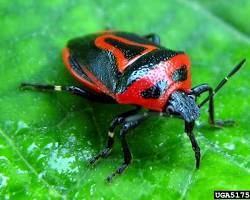
The Black-and-white Striped Shield Bug, also known as the Two-spotted Stink Bug, is a true bug belonging to the stink bug family Pentatomidae. These insects are known for their shield-shaped bodies and the ability to release a strong odor when disturbed.
The “Graph-Paper” Hemipteran: Black-and-white Striped Shield Bug
The Black-and-white Striped Shield Bug (primarily the Striped Shield Bug or Minstrel Bug, Graphosoma italicum) is a visually striking member of the Pentatomidae family. While more common in Europe, related striped stink bugs and shield bugs are frequently found across the United States. For Pestipedia.com users, this insect serves as a vibrant reminder of aposematic coloration—using bold patterns to warn predators of their foul-tasting chemical defenses. They are primarily seed-feeders, often found congregating on U.S. Umbellifer plants like wild carrot and fennel.
Technical Identification: Diagnostic Markers
- Phenotype: Characterized by a broad, shield-shaped body with a large scutellum (the triangular plate on the back). A primary diagnostic key for Pestipedia.com users is the series of bold, vertical black stripes running the full length of the pronotum and scutellum against a white, cream, or vivid red background.
- Nymphal Phenotype: The immature nymphs lack the full shield but possess a rounded, “tick-like” appearance. They often display darker, more mottled patterns before developing their adult “O-Status” stripes after their final molt.
- Scent Glands: Like all U.S. stink bugs, they possess thoracic scent glands that emit a pungent, almond-like odor when the insect is handled or threatened.
Ecological Impact: Seed Herbivory and Biodiversity
The primary impact of the Striped Shield Bug is the mechanical extraction of nutrients from developing seeds, playing a role in the natural regulation of U.S. weeds.
- Feeding Mechanism: They utilize piercing-sucking mouthparts to inject enzymes into U.S. plant seeds (particularly Dill, Fennel, and Queen Anne’s Lace), liquifying the contents for ingestion.
- Host Specificity: In the United States, they are most often found on plants in the Apiaceae family. For Pestipedia.com users, their presence is usually cosmetic and does not threaten the overall health of the host plant.
- Chemical Defense: Their bold stripes provide visual protection from national bird predators. Birds quickly learn to associate the “O-Status” black-and-white (or red) stripes with a bitter, unpalatable experience.
Management & Conservation Strategies
Management of Striped Shield Bugs in U.S. gardens is typically unnecessary and focuses on non-chemical deterrence.
| Strategy | Technical Specification | Operational Benefit |
|---|---|---|
| Mechanical Removal | Hand-picking or shaking into soapy water | Immediately reduces local density on kitchen herbs like Dill or Parsley; 100% pesticide-free. |
| Habitat Diversification | Intercropping with non-host species | Disrupts the insect’s ability to locate hosts by scent; 100% effective for national organic gardens. |
| Tolerance | Leaving bugs on wildflowers | Maintains biodiversity and provides a host for beneficial Tachinid flies (parasitoids) in the U.S. landscape. |
- Monitoring: Inspect the flower heads of Umbellifers during sunny U.S. afternoons when the bugs are most active and visible. For Pestipedia.com users, their bright colors make them one of the easiest U.S. garden insects to census.
- Identification Tip: Do not confuse with the Harlequin Bug, which has patchy, geometric orange and black markings rather than vertical stripes. Pestipedia.com recommends identifying the host plant first to help narrow down the shield bug species.
Quick Facts
- Family: Pentatomidae
- Habitat: Gardens, crops, shrubs
- Diet: Plant sap
- Status: Plant pest
Identification
This species has a shield-shaped body with black and white markings. Like other stink bugs, it emits an unpleasant odor when threatened.
Distribution
Two-spotted stink bugs occur in many parts of North America and are often found on garden plants and crops.
Life Cycle
The life cycle includes egg, nymph, and adult stages. Nymphs resemble smaller wingless versions of adults.
Pest Status
Some stink bugs feed on plant juices, which can cause damage to crops and ornamental plants.
Prevention
- Inspect garden plants regularly
- Encourage natural predators
Control
Hand removal and biological control are often sufficient for managing small populations.