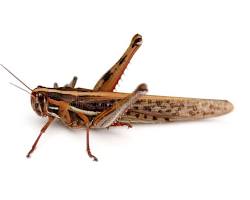
The American Bird Grasshopper (Schistocerca americana) is one of the largest grasshopper species native to North America. This powerful jumping and flying insect is commonly found in fields, gardens, agricultural landscapes, woodland edges, and roadside vegetation where plant growth is abundant. Because of its large size and appetite for vegetation, the American bird grasshopper is sometimes considered an agricultural and garden pest when populations become unusually high.
Although the species may occasionally damage crops and ornamental plants, it also plays an important ecological role as prey for birds, reptiles, spiders, and predatory insects. Its strong flying ability allows it to travel considerable distances, making it one of the more mobile grasshopper species found throughout warmer regions of North America.
Quick Facts
- Scientific Name: Schistocerca americana
- Common Name: American Bird Grasshopper
- Family: Acrididae
- Habitat: Fields, gardens, farms, grasslands, woodland edges
- Diet: Leaves, grasses, crops, vegetation
- Status: Occasional agricultural pest
- Activity: Diurnal (daytime active)
Identification
The American bird grasshopper is among the largest grasshopper species in North America.
Adults commonly measure:
- 1.5 to 2 inches long
Key identification features include:
- Large elongated body
- Brown, tan, or olive coloration
- Subtle dark markings and striping
- Long narrow wings
- Strong jumping hind legs
- Large visible compound eyes
Their coloration helps camouflage them among:
- Dry grasses
- Soil
- Field vegetation
- Woodland edges
Adults are strong fliers and may suddenly take flight when disturbed, producing a loud fluttering sound.
Distribution and Habitat
The American bird grasshopper occurs widely across:
- Southern United States
- Southeastern states
- Central America
- Subtropical regions
- Warm temperate habitats
They are especially common in:
- Agricultural fields
- Pastures
- Roadside vegetation
- Gardens
- Open woodlands
- Grasslands
- Disturbed habitats
The species prefers warm climates with abundant vegetation and open sunny areas suitable for feeding and reproduction.
Life Cycle
Like other grasshoppers, the American bird grasshopper undergoes incomplete metamorphosis consisting of:
- Egg
- Nymph
- Adult
Females deposit eggs in the soil during late summer or fall.
Egg pods are placed in:
- Loose soil
- Field margins
- Grass-covered ground
- Disturbed soil areas
In spring:
- Nymphs emerge from the soil
- Young grasshoppers begin feeding immediately
- Nymphs molt several times as they grow
- Wing development increases with each molt
Adults appear during warmer months and continue feeding, mating, and dispersing throughout the season.
Behavior
American bird grasshoppers are active daytime feeders that rely heavily on:
- Camouflage
- Jumping
- Flight
to escape predators.
The species feeds on many types of vegetation including:
- Grasses
- Crop plants
- Garden vegetables
- Broadleaf weeds
- Ornamental plants
- Tree seedlings
Adults are capable of long-distance flight and may migrate locally in search of food or favorable habitat conditions.
During hot sunny weather, they are often seen:
- Basking on vegetation
- Perching on fences
- Resting in tall grass
- Feeding along crop rows
Pest Status
The American bird grasshopper is considered an occasional agricultural and garden pest.
Low populations usually cause minimal concern, but outbreaks can lead to:
- Leaf chewing
- Defoliation
- Reduced crop yields
- Damage to ornamental plants
- Pasture grazing pressure
Young plants are especially vulnerable because large grasshoppers can rapidly consume tender foliage.
Commonly affected plants include:
- Soybeans
- Corn
- Vegetables
- Fruit trees
- Garden ornamentals
- Field crops
Despite their pest status, these grasshoppers also provide food for numerous wildlife species.
Natural Predators
Many animals help naturally regulate bird grasshopper populations.
Predators include:
- Birds
- Lizards
- Spiders
- Assassin bugs
- Praying mantises
- Parasitic flies
- Rodents
These natural enemies are important for maintaining ecological balance in agricultural and natural ecosystems.
Signs of Infestation
- Large grasshoppers jumping from vegetation
- Chewed leaves
- Missing plant tissue
- Damaged garden crops
- Defoliated grasses
- Visible feeding along field edges
Outbreaks are usually more severe during warm dry seasons when grasshopper survival rates increase.
Prevention
Preventive management focuses on reducing suitable breeding habitat and maintaining healthy vegetation.
- Remove excessive weeds near gardens
- Maintain healthy lawns and crops
- Encourage natural predators
- Monitor fields during growing season
- Reduce unmanaged vegetation around crops
- Use row covers for vulnerable garden plants
Early monitoring is especially important in agricultural settings where populations can increase rapidly.
Control
Integrated pest management (IPM) approaches are commonly used when populations threaten crops or landscaping.
Management options include:
- Habitat modification
- Biological control
- Mechanical exclusion
- Targeted insecticides
- Bait treatments
- Encouraging predators
Chemical control is usually reserved for severe outbreaks because grasshoppers are important components of many ecosystems.
Ecological Importance
Despite occasional pest problems, the American bird grasshopper contributes to ecosystem function by:
- Serving as prey for wildlife
- Supporting predator populations
- Participating in nutrient cycling
- Influencing vegetation dynamics
Grasshoppers are important food sources in many grassland and agricultural ecosystems.
Interesting Facts
- The American bird grasshopper is one of the largest grasshopper species in the United States.
- Its powerful wings allow long-distance flight.
- Coloration may vary depending on habitat and age.
- Young nymphs resemble miniature wingless adults.
- The species belongs to the same family as locusts.