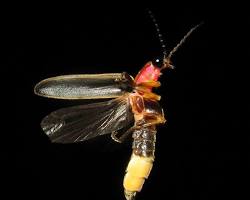
The Big Dipper Firefly (Photinus pyralis) is one of the most recognizable and beloved firefly species in North America. Famous for its glowing abdomen and flashing light displays, this insect is commonly seen on warm summer evenings in fields, suburban lawns, woodland edges, and gardens. The species is especially well known for the distinctive “J-shaped” flash pattern performed by flying males as they search for mates at dusk. :contentReference[oaicite:0]{index=0}
Unlike many insects considered pests, Big Dipper Fireflies are highly beneficial members of natural ecosystems. Their larvae are predatory hunters that feed on slugs, snails, and other small soft-bodied invertebrates found in moist soil and leaf litter. Adults contribute to biodiversity and are often considered indicators of healthy outdoor environments with low pesticide use and minimal light pollution.
Quick Facts
- Family: Lampyridae
- Order: Coleoptera
- Habitat: Lawns, meadows, wetlands, woodland edges
- Diet: Small invertebrates (larvae), nectar and moisture sources (adults)
- Status: Beneficial insect
- Activity: Primarily nocturnal
Identification
The Big Dipper Firefly has an elongated, somewhat flattened body typical of many firefly species.
- Body length generally 10–14 mm
- Dark brown or black wing covers
- Yellow margins along the wings
- Reddish shield-like pronotum behind the head
- Light-producing organ on underside of abdomen
- Soft-bodied beetle appearance
The most distinctive identification feature is the male’s flashing flight display. Males fly low over grassy areas while producing a yellow-green flash in a looping upward “J” pattern, which gives the species its common name. :contentReference[oaicite:1]{index=1}
Females are usually less active fliers and often remain in vegetation while responding to male flashes.
Distribution and Habitat
The Big Dipper Firefly occurs widely across eastern and central North America.
Common habitats include:
- Fields and meadows
- Suburban lawns
- Forest edges
- Wetlands
- Gardens
- Parks
- Rural landscapes
The species thrives in areas with:
- Moist soil
- Leaf litter
- Tall grasses
- Limited pesticide exposure
- Reduced nighttime light pollution
Larvae depend heavily on moist environments because their prey species, including slugs and snails, require humidity for survival.
Life Cycle
Big Dipper Fireflies undergo complete metamorphosis consisting of four life stages:
- Egg
- Larva
- Pupa
- Adult beetle
Females deposit eggs in moist soil or leaf litter during summer.
After hatching, larvae begin hunting immediately.
The larval stage may last several months to over a year depending on environmental conditions.
Larvae are active predators and are sometimes called “glowworms” because they can emit a faint glow from their abdominal segments. :contentReference[oaicite:2]{index=2}
Pupation occurs within the soil before adults emerge during late spring and summer.
Behavior
Big Dipper Fireflies are primarily nocturnal.
Adult activity increases shortly after sunset when males begin flashing to attract mates.
The flashing behavior serves several important purposes:
- Mate attraction
- Species recognition
- Communication between males and females
- Predator deterrence
The flashing light is produced through bioluminescence, a chemical reaction involving luciferin, luciferase enzymes, oxygen, and specialized abdominal light organs.
Unlike artificial light production, bioluminescence creates very little heat and is extremely energy efficient.
Diet and Ecological Role
Larvae are highly beneficial predators that feed on:
- Slugs
- Snails
- Soft-bodied larvae
- Small soil invertebrates
Larvae use specialized mouthparts to inject digestive fluids and paralyzing compounds into prey before consuming the liquefied tissues. :contentReference[oaicite:3]{index=3}
This feeding behavior helps naturally regulate slug and snail populations in gardens and natural habitats.
Adults may feed lightly on:
- Nectar
- Pollen
- Plant moisture
- Dew
Some adults feed very little and focus mainly on reproduction.
Pest Status
The Big Dipper Firefly is considered highly beneficial and is never regarded as a pest.
Benefits include:
- Natural pest control
- Support of biodiversity
- Pollination assistance
- Ecological balance
- Educational and cultural value
Healthy firefly populations are often viewed as indicators of environmentally stable habitats.
Threats to Fireflies
Several modern environmental pressures have negatively impacted firefly populations in some regions.
- Habitat loss
- Excessive pesticide use
- Light pollution
- Lawn overmanagement
- Wetland destruction
- Removal of leaf litter
Artificial nighttime lighting can interfere with mating signals, reducing reproductive success. :contentReference[oaicite:4]{index=4}
Prevention and Conservation
Conservation efforts focus on preserving suitable habitat and reducing environmental stress.
- Avoid unnecessary pesticide applications
- Reduce outdoor lighting
- Preserve leaf litter and moist soil
- Maintain native vegetation
- Allow portions of lawns to remain natural
- Protect wetlands and meadow habitats
Reducing slug bait use may also help protect predatory larvae. :contentReference[oaicite:5]{index=5}
Control
Control is not recommended under any circumstances because fireflies are beneficial insects and important components of healthy ecosystems.
If fireflies are present around a property, their presence should generally be viewed positively as a sign of good environmental quality.
Interesting Facts
- Fireflies are actually beetles, not flies.
- Over 2,000 firefly species exist worldwide.
- The “J-stroke” flash pattern is unique to the Big Dipper Firefly. :contentReference[oaicite:6]{index=6}
- Larvae can glow before becoming adults.
- Bioluminescence is one of the most efficient forms of natural light production.
- Some firefly species use flash mimicry to lure and eat other fireflies.