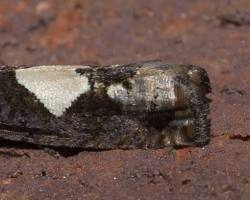
Bidens Borer Moths are small noctuid moths whose caterpillars develop inside the stems of plants in the genus Bidens, commonly known as beggar-ticks or Spanish needles. These moths are typically associated with wetlands, roadside vegetation, meadows, and disturbed habitats where their host plants grow naturally. Although rarely noticed by the general public, bidens borer moths are part of the diverse ecological community of native stem-boring insects that help shape plant populations in natural ecosystems.
Unlike major agricultural moth pests, bidens borer moths primarily target wild herbaceous plants rather than cultivated crops. Their larvae feed internally within plant stems, creating tunnels that provide protection from predators and environmental conditions. Because they spend much of their immature development concealed inside plant tissue, these insects are rarely observed unless damaged stems are opened or adult moths are attracted to lights at night.
Quick Facts
- Family: Noctuidae
- Order: Lepidoptera
- Habitat: Meadows, wetlands, roadsides, disturbed vegetation
- Diet: Internal stem tissue of Bidens plants
- Status: Native stem-boring moth
- Activity: Primarily nocturnal
Identification
Adult bidens borer moths are relatively small and display muted coloration that helps camouflage them against bark, stems, and dried vegetation.
- Brown or gray wing coloration
- Subtle banding or mottled patterns
- Narrow body shape
- Wingspan generally under 1.5 inches
- Nocturnal flight behavior
- Camouflaged resting posture
The wings often contain faint lines or irregular patterns that make the moth difficult to detect during daylight hours.
Caterpillars are slender stem borers that live concealed inside host plant stems. Their coloration may range from pale cream to greenish or light brown depending on age and feeding conditions.
Like many moths, adults are most active during evening and nighttime hours.
Distribution and Habitat
Bidens borer moths occur in regions where Bidens host plants grow naturally.
Common habitats include:
- Wetlands
- Roadside vegetation
- Open meadows
- Prairies
- Field margins
- Drainage ditches
- Disturbed soils
- Naturalized gardens
Bidens plants thrive in moist or disturbed soils, which often determines where the moth populations are found.
Adults are frequently attracted to:
- Porch lights
- Streetlights
- Outdoor security lights
- Light traps used for insect monitoring
Life Cycle
Bidens borer moths undergo complete metamorphosis with four distinct life stages:
- Egg
- Larva (caterpillar)
- Pupa
- Adult moth
Females deposit eggs directly on or near suitable host plants.
After hatching, the caterpillars bore into stems where they feed internally on plant tissue.
This protected feeding habit helps shield larvae from:
- Predators
- Parasitoids
- Weather extremes
- Environmental disturbances
As the caterpillars mature, they continue tunneling through stems and may weaken or partially hollow out portions of the plant.
Pupation generally occurs within the stem or nearby plant debris before adults emerge to reproduce.
Behavior
Adult bidens borer moths are nocturnal and remain hidden during the day.
During nighttime hours they become active for:
- Mating
- Egg-laying
- Searching for host plants
- Feeding on moisture or nectar sources
The caterpillars are highly concealed because they spend most of their lives inside stems.
Evidence of larval activity may include:
- Wilting stems
- Small entry holes
- Internal tunneling
- Weak or broken plant stalks
However, because the host plants are usually wild weeds or native vegetation, this feeding rarely attracts concern.
Host Plants
The primary hosts are plants within the genus Bidens.
Common host plants may include:
- Beggar-ticks
- Spanish needles
- Tickseed sunflowers
- Wetland Bidens species
These plants are common components of natural ecosystems and disturbed habitats throughout many regions of North America.
Ecological Importance
Although small and rarely noticed, bidens borer moths contribute to ecosystem diversity.
They provide:
- Food for birds
- Prey for bats
- Nutrition for predatory insects
- Natural regulation of host plant populations
- Biodiversity within meadow ecosystems
Their larvae also support populations of parasitoid wasps and predatory beetles that specialize in stem-boring insects.
Pest Status
Bidens borer moths are not considered important pests.
Several factors limit their economic significance:
- They primarily attack wild plants
- Host plants are usually considered weeds
- Infestations remain localized
- Crop damage is uncommon
Unlike destructive agricultural borers, these moths rarely affect cultivated landscapes or ornamental plantings.
In most situations, their presence goes completely unnoticed.
Natural Predators
Many natural enemies help regulate bidens borer moth populations.
- Birds
- Spiders
- Predatory beetles
- Parasitic wasps
- Bats
- Assassin bugs
Environmental conditions and habitat quality also strongly influence population levels.
Prevention
No prevention measures are generally necessary.
Because the moth rarely affects ornamental or agricultural plants, management is usually unnecessary.
Maintaining healthy ecosystems naturally supports balanced insect populations and predator activity.
Control
Control is rarely recommended.
If stem damage occurs in managed plantings, pruning and removal of affected stems may reduce localized populations.
Chemical treatment is usually unnecessary and may negatively impact beneficial insects and pollinators.
Interesting Facts
- Many stem-boring moth larvae spend nearly their entire immature life concealed inside plants.
- Noctuid moths represent one of the largest moth families in the world.
- Camouflage helps adult moths avoid predation during daylight hours.
- Artificial lighting can disrupt moth navigation and reproduction patterns.
- Wild host plants support a wide diversity of native moth species.