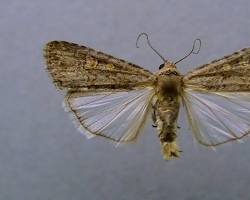
The Beet Armyworm Moth (Spodoptera exigua) is a highly destructive agricultural pest belonging to the family Noctuidae. The insect is best known for its larval stage, commonly called the Beet Armyworm, which feeds aggressively on a wide range of vegetable, field, and ornamental crops. Originally associated with beet crops, this pest now affects dozens of economically important plants including spinach, lettuce, tomatoes, peppers, celery, onions, soybeans, cotton, and ornamental flowers.
Beet armyworms are especially problematic in warm climates and greenhouse environments where populations can develop rapidly. Large infestations are capable of stripping foliage, damaging fruit, and severely reducing crop yields in both commercial agriculture and backyard gardens.
Quick Facts
- Family: Noctuidae
- Scientific Name: Spodoptera exigua
- Habitat: Agricultural fields, gardens, greenhouses, and weedy areas
- Diet: Leaves, stems, flowers, and fruit of host plants
- Status: Major agricultural pest
Identification
Adult beet armyworm moths are relatively small nocturnal moths with a wingspan of approximately 1 inch.
- Forewings are grayish-brown with pale irregular markings
- Hindwings are lighter with darker margins
- Adults are active primarily at night
- Larvae vary from green to brown or nearly black
- Caterpillars display pale striping along the sides and back
The larvae are the destructive stage and typically grow up to 1 inch long before pupation.
Younger caterpillars often feed in groups, while older larvae spread throughout the plant canopy as they mature.
Distribution and Habitat
Beet armyworms occur throughout much of the world and are especially common in:
- Southern United States
- Mexico
- Central America
- Tropical and subtropical regions
- Greenhouse production systems
In North America, populations are particularly severe in warm agricultural regions where mild winters allow year-round activity.
These insects thrive in:
- Vegetable gardens
- Commercial crop fields
- Greenhouses
- Nurseries
- Weedy field margins
- Irrigated agricultural systems
Dense vegetation and warm temperatures strongly favor rapid population growth.
Life Cycle and Behavior
The beet armyworm undergoes complete metamorphosis consisting of:
- Egg
- Larva (caterpillar)
- Pupa
- Adult moth
Females lay eggs in clusters on the undersides of leaves. Egg masses are often covered with fuzzy scales from the female moth’s body, helping protect the eggs from predators and environmental conditions.
After hatching, larvae begin feeding immediately on nearby foliage.
Young larvae often feed together and may create:
- Windowpane feeding damage
- Skeletonized leaves
- Surface scraping injury
Older caterpillars consume larger amounts of plant tissue and may completely strip leaves, bore into fruit, or damage growing points.
Several generations may occur annually, especially in warm climates where development can continue throughout the growing season.
Host Plants
Beet armyworms have an extremely broad host range.
Common host plants include:
- Beets
- Spinach
- Lettuce
- Tomatoes
- Peppers
- Celery
- Onions
- Cotton
- Corn
- Soybeans
- Alfalfa
- Many ornamental flowers
Because they feed on so many crops, beet armyworms are difficult to manage in large agricultural regions.
Damage and Economic Impact
Beet armyworms are considered serious agricultural pests due to their rapid feeding and high reproductive potential.
Common damage includes:
- Defoliation
- Skeletonized leaves
- Fruit scarring
- Stem feeding
- Reduced crop yields
- Contaminated produce
Heavy infestations can devastate vegetable crops within a short period, especially during warm weather conditions.
In greenhouses, populations may increase rapidly because natural predators are often limited.
Natural Predators
Numerous beneficial insects and organisms help suppress beet armyworm populations naturally.
Important predators and parasitoids include:
- Parasitic wasps
- Lacewings
- Lady beetles
- Predatory bugs
- Birds
- Ground beetles
- Entomopathogenic fungi
Biological control plays an important role in integrated pest management programs.
Pest Status
The beet armyworm is considered a major pest in commercial agriculture.
Its significance comes from:
- Wide host range
- Rapid reproduction
- High feeding rates
- Resistance to some insecticides
- Ability to damage many crop stages
Unchecked infestations may cause severe economic losses in vegetable and ornamental production systems.
Prevention
- Monitor crops regularly for egg masses and young larvae.
- Encourage natural predators and beneficial insects.
- Remove weeds that serve as alternate hosts.
- Use crop rotation when practical.
- Inspect greenhouse plants frequently.
- Remove heavily infested foliage promptly.
Early detection is critical because younger larvae are easier to control than mature caterpillars.
Control
Integrated pest management (IPM) strategies are commonly used against beet armyworms.
Common control methods include:
- Bacillus thuringiensis (Bt) applications
- Biological control insects
- Pheromone monitoring traps
- Targeted insecticide treatments
- Crop sanitation
- Greenhouse exclusion practices
Because populations can develop resistance to pesticides, rotating control methods is often recommended.
Interesting Facts
- Beet armyworms can produce multiple generations per year in warm climates.
- The species feeds on over 100 plant species worldwide.
- Young larvae often feed together before dispersing.
- The moths are primarily nocturnal and attracted to lights.
- Greenhouse infestations can become severe very quickly.