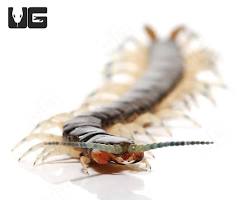
The Bat Bug is a blood-feeding insect closely related to the common bed bug. Bat bugs normally live in bat roosts such as attics, caves, chimneys, barns, and wall voids where they feed primarily on bats. When bats abandon or are removed from a structure, these insects may begin wandering into living spaces in search of alternative hosts and may occasionally bite humans.
Quick Facts
- Family: Cimicidae
- Habitat: Bat roosts, attics, wall voids, chimneys
- Diet: Blood from bats and occasionally humans
- Status: Occasional household nuisance pest
Identification
Bat bugs closely resemble bed bugs and are extremely difficult to identify without magnification. Adults are small, flat, oval-shaped insects with reddish-brown coloration.
- Flat oval body shape
- Reddish-brown coloration
- Wingless body
- Approximately 4–6 mm long
- Longer body hairs than bed bugs
The primary identifying feature separating bat bugs from bed bugs is the presence of longer hairs on the thorax. This difference is usually visible only under a microscope or magnifying lens.
Like bed bugs, bat bugs become swollen and darker after feeding.
Distribution and Habitat
Bat bugs occur throughout North America and are closely associated with locations where bats roost. Structures that commonly develop infestations include:
- Attics
- Wall voids
- Barns
- Chimneys
- Crawlspaces
- Abandoned buildings
They typically remain near bat colonies and hide within cracks, insulation, wood framing, and crevices close to the roosting site.
Life Cycle
Bat bugs undergo gradual metamorphosis with three main life stages:
- Egg
- Nymph
- Adult
Females lay tiny white eggs in cracks and hidden areas near bat roosts. Newly hatched nymphs require blood meals to continue development.
Like bed bugs, all mobile stages require blood feeding in order to molt and reproduce successfully. Under ideal warm conditions, populations can grow rapidly if bats remain present in the structure.
Behavior
Bat bugs are nocturnal and typically remain hidden during the day. At night they emerge to feed on roosting bats.
When bat hosts disappear, the insects may:
- Wander into living spaces
- Travel through wall voids
- Appear around ceilings or vents
- Bite humans or pets opportunistically
Although bites may cause irritation or itching, bat bugs are not known to be major disease vectors in residential settings.
Pest Status
Bat bugs are considered nuisance pests primarily because of their association with bat infestations inside buildings. Most infestations occur after:
- Bat exclusion projects
- Seasonal bat migration
- Disturbance of attic colonies
- Removal of nesting sites
Without their natural hosts, bat bugs may enter bedrooms and other occupied areas searching for blood meals.
Prevention
- Properly exclude bats from structures.
- Seal entry points around vents and roofing.
- Repair damaged soffits and siding.
- Remove abandoned nesting materials safely.
- Inspect attics and chimneys regularly.
- Use professional bat exclusion methods when necessary.
Bat exclusion should never occur while bats are actively raising young because trapped juveniles can create additional pest and odor problems.
Control
Successful bat bug control depends on eliminating the bat roost first. Treating the insects without addressing the bats usually results in reinfestation.
Common control methods include:
- Professional bat exclusion
- Vacuuming visible insects
- Targeted residual insecticide applications
- Sealing wall voids and cracks
- Monitoring infested areas
In severe infestations, professional pest management may be necessary due to the hidden nature of the insects inside walls and attics.
Interesting Facts
- Bat bugs are nearly identical in appearance to bed bugs.
- They can survive for extended periods without feeding.
- Most infestations are linked directly to nearby bat colonies.
- Bat bugs rarely establish long-term populations without bats.
- They are primarily active at night.