Overview
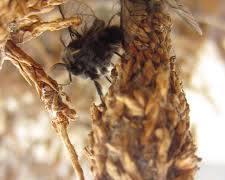
Banded Thrips are tiny plant-feeding insects belonging to the order Thysanoptera. Like other thrips species, they are recognized for their slender bodies, narrow fringed wings, and rapid reproductive ability. Although extremely small, these insects can become serious agricultural and greenhouse pests when populations increase. Their feeding damages leaves, flowers, buds, and developing fruit, reducing both plant health and crop quality.
Banded thrips are commonly encountered in:
- Gardens
- Greenhouses
- Crop fields
- Nurseries
- Ornamental landscapes
- Indoor growing environments
Thrips feed by puncturing plant cells and extracting the contents. This feeding method creates silvery streaking, spotting, and distorted plant growth. Heavy infestations can weaken plants significantly and reduce agricultural yields.
In addition to direct feeding damage, some thrips species are capable of transmitting harmful plant viruses, making them economically important pests in commercial agriculture.
Quick Facts
- Order: Thysanoptera
- Common Name: Banded Thrips
- Habitat: Gardens, greenhouses, agricultural crops
- Diet: Plant sap and tissues
- Status: Agricultural and ornamental pest
- Size: Less than 1/16 inch long
- Activity: Most active in warm conditions
Taxonomy and Classification
- Kingdom: Animalia
- Phylum: Arthropoda
- Class: Insecta
- Order: Thysanoptera
Thrips are a specialized group of insects characterized by:
- Fringed wings
- Piercing-sucking mouthparts
- Small elongated bodies
- Rapid reproductive cycles
Banded thrips belong to a broader group of thrips that infest agricultural crops, ornamental plants, and greenhouse vegetation.
There are thousands of thrips species worldwide, with many considered important pests of:
- Vegetables
- Flowers
- Fruit crops
- Field crops
- Indoor ornamentals
Identification
Banded thrips are extremely small insects that can be difficult to identify without magnification.
Important identifying characteristics include:
- Slender elongated bodies
- Yellow, tan, brown, or black coloration
- Faint banding patterns across the body
- Narrow wings with hair-like fringes
- Rapid movement when disturbed
Adults usually measure less than 1/16 inch long.
Their wings are one of their most distinctive features. Unlike the broad wings of flies or beetles, thrips possess:
- Thin narrow wings
- Long hair-like fringes
- Feathered wing margins
Nymphs resemble smaller wingless adults and are often pale yellow or cream-colored.
Damage symptoms often provide the first sign of infestation before the insects themselves are noticed.
Distribution and Habitat
Banded thrips occur worldwide and are especially common in warm climates.
They thrive in environments with:
- Warm temperatures
- Dense vegetation
- Protected growing conditions
- Flowering plants
- High plant diversity
Common habitats include:
- Greenhouses
- Crop fields
- Flower gardens
- Nurseries
- Indoor plant collections
- Fruit orchards
Thrips frequently hide in protected plant areas such as:
- Flower buds
- Leaf folds
- Stem joints
- Under leaves
- Inside blossoms
Greenhouse environments are especially favorable because warm temperatures allow continuous breeding throughout the year.
Life Cycle
Banded thrips undergo a complex life cycle with several developmental stages.
Egg Stage
Females insert tiny eggs directly into soft plant tissue using specialized egg-laying structures.
Eggs are commonly deposited in:
- Leaves
- Flower petals
- Young stems
- Plant buds
Larval Stage
Larvae emerge and immediately begin feeding on plant tissues.
Larvae are:
- Wingless
- Pale-colored
- Highly active feeders
- Very small
This stage causes much of the visible feeding damage.
Pupal Stage
Thrips undergo unusual pupal-like resting stages that often occur:
- In soil
- Within leaf litter
- On protected plant surfaces
During this stage, the insect transforms into the adult form.
Adult Stage
Adults emerge fully winged and capable of dispersal.
In warm conditions, the entire life cycle may be completed in:
- Two to three weeks
This rapid development allows populations to increase extremely quickly.
Behavior and Feeding
Banded thrips feed using specialized piercing-sucking mouthparts.
They scrape the surface of plant tissue and suck out internal fluids from damaged cells.
This feeding behavior creates characteristic symptoms including:
- Silver streaking
- Leaf stippling
- Brown scars
- Distorted growth
- Flower discoloration
- Leaf curling
Thrips often prefer tender plant tissue such as:
- Young leaves
- Flower buds
- Petals
- Developing fruit
Some species feed socially in large numbers, while others remain scattered across host plants.
Plant Damage
Thrips damage can range from minor cosmetic injury to severe crop loss.
Common symptoms include:
- Silvery leaf patches
- Brown or bronze discoloration
- Deformed leaves
- Flower distortion
- Scarring on fruit
- Premature flower drop
Heavy infestations may:
- Reduce photosynthesis
- Slow plant growth
- Lower fruit production
- Reduce crop quality
- Increase plant stress
In ornamental plants, even small amounts of damage can reduce market value significantly.
Virus Transmission
Some thrips species are important vectors of plant diseases.
They can transmit viruses such as:
- Tomato Spotted Wilt Virus (TSWV)
- Impatiens Necrotic Spot Virus (INSV)
Virus transmission occurs when thrips:
- Acquire viruses while feeding as larvae
- Transmit viruses as adults
- Move between infected and healthy plants
This makes thrips especially problematic in greenhouse and commercial production systems.
Natural Predators
Many beneficial insects naturally help control thrips populations.
Important predators include:
- Minute pirate bugs
- Predatory mites
- Lacewing larvae
- Lady beetles
- Predatory thrips species
Encouraging beneficial insects can reduce the need for chemical treatments.
Prevention and Monitoring
Early detection is critical for effective thrips management.
Preventive measures include:
- Inspecting plants regularly
- Monitoring flowers and buds
- Removing infested plant material
- Reducing weed hosts
- Quarantining new plants
Sticky traps are commonly used to monitor adult populations.
Blue and yellow sticky cards are particularly effective in greenhouses and indoor growing spaces.
Control Methods
Integrated pest management (IPM) is the most effective strategy for controlling banded thrips.
Biological Control
- Predatory mites
- Minute pirate bugs
- Beneficial nematodes
- Parasitic insects
Cultural Control
- Improve airflow
- Remove plant debris
- Avoid overcrowding plants
- Control weeds near crops
Chemical Control
When necessary, treatments may include:
- Horticultural oils
- Insecticidal soaps
- Spinosad-based products
- Selective insecticides
Because thrips reproduce rapidly and develop resistance quickly, chemical products should be rotated carefully.
Human Interaction
Banded thrips are not dangerous to humans.
They do not:
- Bite people
- Spread human diseases
- Damage structures
However, they can become extremely frustrating for growers due to their:
- Rapid reproduction
- Hidden feeding habits
- Resistance to treatments
- Ability to damage valuable crops
Interesting Facts
- Thrips are among the smallest major agricultural pests.
- Their fringed wings inspired the scientific name “Thysanoptera,” meaning “fringe wings.”
- Some thrips species can reproduce without mating.
- Thrips populations can explode rapidly in greenhouses.
- Many species hide deep inside flowers where they are difficult to reach with sprays.
Conclusion
Banded Thrips are tiny but economically significant insects that damage crops, flowers, and ornamental plants through their piercing-sucking feeding habits. Their rapid reproduction, hidden behavior, and ability to spread plant diseases make them serious greenhouse and agricultural pests. Although small, heavy infestations can lead to major plant stress, crop losses, and cosmetic damage. Early monitoring, biological control, and integrated pest management strategies are essential for keeping populations under control.