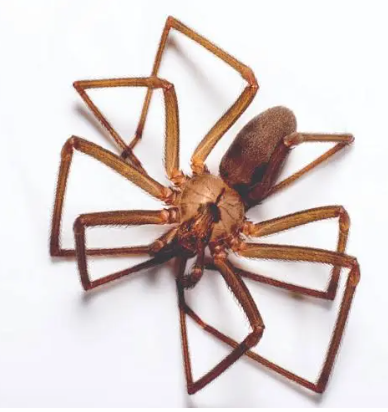
The Brown Violin Spider, scientifically known as Loxosceles reclusa, is a venomous spider species that is well-known for its potentially harmful bite and distinctive markings. Also referred to as the Brown Recluse Spider, it is primarily found in the central and southern regions of the United States. Understanding its characteristics, behavior, and potential risks is important for proper identification and taking appropriate precautions when encountering this spider.
Taxonomy and Classification
The Brown Violin Spider belongs to the family Sicariidae, which consists of several species of venomous spiders. It is classified under the genus Loxosceles, which comprises numerous other recluse spider species. The scientific name for the Brown Violin Spider is Loxosceles reclusa.
Morphology and Appearance
Adult Brown Violin Spiders are relatively small, with a body length ranging from 6 to 20 millimeters. They have a characteristic violin-shaped marking on the cephalothorax, which gives them their common name. However, it’s important to note that not all individuals may exhibit this marking, making it an unreliable feature for identification. They are typically light to medium brown in color, but can vary in shade.
Habitat and Distribution
The Brown Violin Spider is primarily found in the central and southern regions of the United States. Its range extends from the Midwest to the Gulf Coast states. These spiders prefer warm, dry climates and are often found in undisturbed areas such as basements, attics, sheds, and other secluded spaces.
Reproduction and Life Cycle
Brown violin spiders reproduce through a relatively simple but effective life cycle that supports their survival in both natural and indoor environments. Unlike many web-building spiders, they are nomadic hunters and do not rely on large webs, but they still use silk for reproduction and protection of their eggs.
Egg Laying and Development
The reproductive process begins when the female lays her eggs on a protected surface, such as inside cracks, crevices, woodpiles, or undisturbed indoor spaces like attics and basements. After laying the eggs, the female produces a small silken egg sac to enclose and protect them from environmental threats and predators.
Each egg sac typically contains several dozen eggs, although the exact number can vary depending on environmental conditions and the health of the female. A single female may produce multiple egg sacs over time, increasing the potential for population growth.
Spiderling Growth and Molting
Once the eggs hatch, the young spiders—known as spiderlings—emerge and begin their development. Like other arachnids, they grow through a process called molting, shedding their exoskeleton multiple times as they increase in size.
During this stage, spiderlings gradually develop the physical characteristics of adult brown violin spiders, including their coloration and body structure. Their growth rate depends on factors such as food availability, temperature, and environmental stability.
Lifespan and Maturity
Brown violin spiders are known for their relatively long lifespan compared to many other spider species. Under favorable conditions, they can live for several years, allowing them to reproduce multiple times throughout their life.
Once they reach adulthood, these spiders continue the reproductive cycle, contributing to sustained populations in areas where food and shelter are readily available. Their ability to reproduce efficiently and survive for extended periods is a key factor in their persistence, particularly in indoor environments.
Behavior and Bites
Brown Violin Spiders are nocturnal creatures that prefer to remain hidden during the day and become active at night. They are not aggressive spiders and generally try to avoid human contact. Bites usually occur when humans unintentionally come into direct contact with the spider, such as by putting on clothes or shoes where the spider is hiding.
When disturbed or threatened, the Brown Violin Spider may bite defensively. Its venom contains enzymes that can damage tissues, leading to necrosis (tissue death) in some cases. However, it’s important to note that not all Brown Violin Spider bites result in necrotic wounds, and the severity of the reaction can vary among individuals.
Diet and Hunting Methods
Brown violin spiders primarily feed on small insects and other arthropods, including flies, ants, beetles, and occasionally other spiders. Their diet consists of common household and outdoor pests, making them opportunistic predators in a variety of environments.
Unlike many spider species that rely on intricate webs to capture prey, brown violin spiders use a more active hunting strategy. They do not build large prey-catching webs and instead depend on movement, stealth, and environmental awareness to locate food.
Active Hunting Behavior
Brown violin spiders are often described as “running spiders”, meaning they actively search for prey rather than waiting passively. Most of their hunting activity takes place at night, when they leave their hiding spots to explore their surroundings. This nocturnal behavior helps them avoid predators while increasing their chances of encountering unsuspecting insects.
Using a combination of stealth and speed, these spiders approach prey carefully before launching a quick ambush. Their ability to move quietly and strike rapidly makes them effective hunters, even without the use of webs.
Venom and Feeding Process
Once prey is within reach, the spider delivers a venomous bite to immobilize and subdue it. The venom quickly breaks down tissues, allowing the spider to consume its meal in liquid form. This efficient feeding method enables brown violin spiders to extract nutrients while minimizing energy expenditure.
This combination of active hunting, venom use, and adaptability allows brown violin spiders to thrive in both natural and indoor environments, where they can easily find a steady supply of insect prey.
Medical Importance and Treatment
While bites from the Brown Violin Spider can be potentially harmful, it’s important to remember that bites are relatively rare and severe reactions are uncommon. However, if bitten, it is recommended to seek medical attention promptly. Medical professionals can assess the bite and provide appropriate treatment, which may include wound care, pain management, and, in some cases, antivenom.
Prevention and Control
Preventing encounters with the Brown Violin Spider is the best approach. Some preventive measures include:
- Wearing protective clothing, such as long-sleeved shirts and gloves, when working in potentially spider-infested areas.
- Taking caution when handling stored items, particularly in undisturbed areas like basements and attics.
- Keeping living spaces clean and clutter-free to reduce potential hiding spots for spiders.
- Sealing cracks and gaps in buildings to prevent spiders from entering.
If infestations are suspected, it is advisable to seek professional pest control services to properly assess and manage the situation.